
 English



 Fresh Fruits
  Vegetables
  Dry Fruits




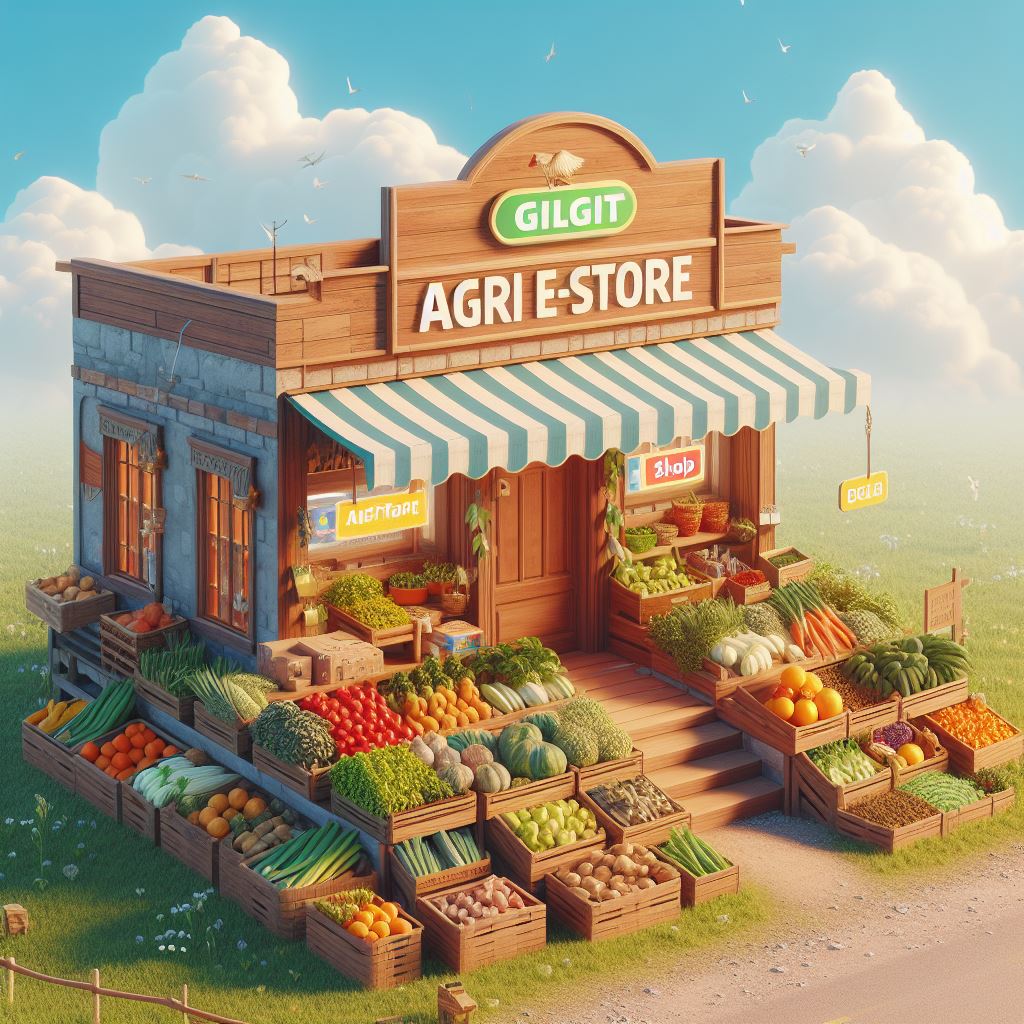
Nestled amidst the majestic peaks of the Karakoram range, Gilgit in Pakistan presents a unique agricultural landscape. With its harsh terrain, frigid winters, and scarce arable land, farming in this region throws down the gauntlet to even the most seasoned cultivators. One crucial factor in this fight for yield is fertilizer use, a double-edged sword that can both nurture and harm the fragile ecosystem of Gilgit.
Traditional Practices and Modern Inputs:
Traditionally, Gilgit farmers relied heavily on organic means like farmyard manure and green manuring to enrich their soil. These practices, while sustainable, often yielded lower crop outputs. With the introduction of modern chemical fertilizers in the mid-20th century, crop yields witnessed a significant rise. However, this reliance on synthetic inputs presents its own set of challenges.
Challenges and Concerns:
One major concern is the inappropriate application of fertilizers. Lack of access to soil testing facilities and knowledge about recommended dosages often lead farmers to overapply fertilizers. This can have detrimental consequences, including:
Soil degradation: Excess nutrients can disrupt soil pH and alter microbial activity, leading to long-term loss of fertility.
Water pollution: Fertilizer runoff can contaminate water bodies, threatening aquatic life and posing health risks to downstream communities.
Economic burden: Improperly used fertilizers lead to decreased efficiency and financial losses for farmers.
Striving for Balance:
Recognizing these challenges, organizations and researchers are working with farmers to promote sustainable fertilizer management practices in Gilgit. Some key initiatives include:
Promoting soil testing: Knowing the nutrient status of the soil allows farmers to tailor fertilizer application to specific needs, preventing wasteful overuse.
Encouraging balanced fertilization: Advocating for using fertilizers along with organic matter to maintain soil health and build long-term fertility.
Raising awareness: Educational programs help farmers understand the proper use of fertilizers, minimizing environmental damage and maximizing yield.
The Road Ahead:
The path to sustainable fertilizer use in Gilgit is paved with collaboration. Farmers, researchers, and policymakers need to work together to develop and implement practices that ensure food security while safeguarding the environment. This delicate dance between yield and sustainability calls for innovation, education, and a deep respect for the unique ecosystem of Gilgit.
Further Exploration:
Assessment of the organic potential in Gilgit-Baltistan: https://lib.icimod.org/record/35969
View of Response of Potato Cultivars to Organic and Inorganic Fertilizers Under the Agroclimatic Conditions of Skardu (Gilgit-Baltistan): https://edis.ifas.ufl.edu/publication/CV233
Promoting Precise and Balanced Use of Fertilizers in Pakistan at Farm-Gate Level: https://ppif.org.pk/c
By understanding the challen